34 MENOPAUSE SYMPTOMS |
HEALTH CENTER |
|
| |
|
|
|
|
|
|
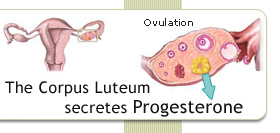
Progesterone hormones are of vital importance to a woman's health. When progesterone levels fall after menopause, most women will experience several physical and psychological symptoms of varying intensity. Keep reading to learn more about progesterone, its effects in the body, and the consequences of fluctuating progesterone levels. |
|
|
Progesterone - Brief Explanation
Progesterone works in tandem with estrogen, but is quite different in that progesterone has no influence on secondary sex characteristics. During the reproductive years, progesterone plays an essential role in the menstrual cycle, fertility, and the maintenance of pregnancy, but the hormone has several other vital functions as well.  Progesterone - Effects
Although progesterone's primary role is to maintain the menstrual cycle and pregnancy, the hormone also has an impact on several other bodily systems, notably acting as an important precursor hormone, an antidepressant, and a diuretic. Inadequate levels of the hormone can have significant effects on health.
Progesterone - Fluctuation
In the 5 to 7 years preceding menopause, a period known as perimenopause, progesterone levels steadily decline while periodically shooting up to higher than normal levels. These upsurges will result in symptoms similar to PMS (pre menstrual syndrome). After menopause, when progesterone production ceases almost completely, women will have to cope with a different set of cognitive and physical symptoms, such as ovarian cysts and weight gain. |
|
| |
|

|
|
Progesterone plays role in postpartum depression |
|
Progesterone hormones fluctuate dramatically during and after pregnancy, which has led some researchers to suspect that this may be a fundamental part of the severe depression often experienced after giving birth, says a study published in the British Medical Journal. |
|
|
| |
| |
| |
|
|
Progesterone - Treatments
Progesterone may be the hormone whose production is most affected by menopause: although postmenopausal women will continue to produce low levels of estrogen and testosterone, progesterone production virtually shuts down altogether. Fortunately, there are treatments for both progesterone deficiency and its symptoms. |
|
Falling progesterone levels are an inevitable part of aging, but there are treatment options that can help to stabilize hormonal levels. Keep reading to learn about the most effective treatments for progesterone deficiency, including lifestyle changes, alternative treatments, and medical procedures.
|
|
|
|
|
Treating Progesterone Deficiency
with
MacaActive Supplements |
|
Progesterone hormones play an essential role in several areas of the body, and as hormonal levels decline with age, the health implications can be significant. As women begin to notice the symptoms of progesterone deficiency, they may want to consider taking steps to stabilize their hormonal production.
Today, there are three effective ways to normalize hormonal levels: lifestyle changes, alternative medicine and drugs & surgery.
|
|
 |
Lifestyle Changes: Lifestyle changes (such as an improved diet and increased exercise) are vital for overall health and for alleviating the symptoms of hormonal balance, but lifestyle changes alone will not have a significant impact on hormonal production. Most women will want to consider the next level of treatment, alternative medicine, which has proven to be excellent for treating progesterone deficiency in a safe and natural way.
|
|
 |
Alternative medicine: There are two types of herbal supplements for improving low hormonal levels: those containing phytoestrogenic herbs, and those containing non-estrogenic herbs. Phytoestrogenic herbs (like Black Cohosh) are filled with phytoestrogens, which are similar to estrogens. They can increase low estrogen levels by replacing some of the missing estrogen hormones. This isn't the best solution, however, because your body will become less responsive to producing estrogen on its own, causing a further decrease in body-own hormone levels. Unlike phytoestrogenic herbs, non-estrogenic herbs don't contain estrogen, but they nourish the hormonal glands to work more efficiently. This ultimately results in balancing not only estrogen, but other necessary hormones, as well, including progesterone. Using non-estrogenic herbs is one of the safest and best ways to treat hormonal imbalance naturally.
An excellent example of a safe and effective non-estrogenic herb for progesterone deficiency is herbal MacaActive. What makes MacaActive so special is its ability to balance hormonal levels in women by nourishing the hormonal glands. In this way, it alleviates most disorders related to hormonal imbalance.  to read more about MacaActive.
|
|
 |
Drugs and Surgery: This level of treatment has the highest risk and often the highest cost. The most common drug therapy for treating hot flashes in the US is hormone replacement therapy (HRT). There's no doubt that this is the quickest and strongest way to combat hormonal imbalance. Unfortunately, it entails serious side effects and increases the risk of different types of cancer in women. If you still want to consider this approach, see your doctor to learn more about what this treatment option involves.
|
|
A safe way for balancing hormones:
Non-estrogenic herbs are the most effective solution for treating progesterone deficiency.
MacaActive is an excellent non-estrogenic herb. It's simple: rather than putting hormones from the outside into your body artificially, MacaActive stimulates your hormone glands into producing the necessary hormones naturally. This is what makes MacaActive supplements so unique. to read all about MacaActive. |
 |
|
|
|
|